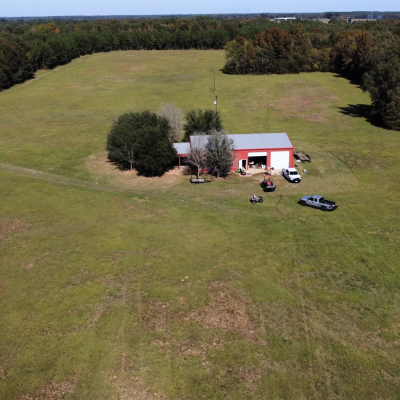
Farm Spraying Services
Professional Drone Farm Spraying for Modern Agriculture
A single field treatment is straightforward to book. Running a working farm is a different problem. Between row crops that need herbicide early and fungicide later, hayfields that need weed control before cutting season, pastureland that needs fertilization on its own schedule, and fence lines that keep getting overtaken by brush no matter what else is happening, a farm’s spraying needs don’t show up one at a time. They stack up across the calendar.
Farm Spraying Services is built around that reality. Instead of treating each visit as an isolated job, we work with farm owners and managers to plan spraying across the full operation, multiple fields, multiple treatment types, timed against planting, growing, and harvest windows rather than scheduled around whatever’s convenient for us.
Coordinating Across Fields and Seasons
Most farms we work with have more than one thing going on at once. A property might have row crops on one section, hayfields on another, and pastureland supporting livestock on a third, each with a different treatment calendar. We map out what needs attention and when at the start of a season, so a herbicide pass on the row crop and a fertilization pass on the pasture aren’t both surprises that show up as separate last-minute calls.
That kind of planning also means fewer conflicts with your own schedule. If you’re timing a hay cutting, moving livestock between pastures, or managing planting and harvest on row crops, we coordinate spray windows around those activities rather than asking you to work around us.

One Point of Contact Across the Operation
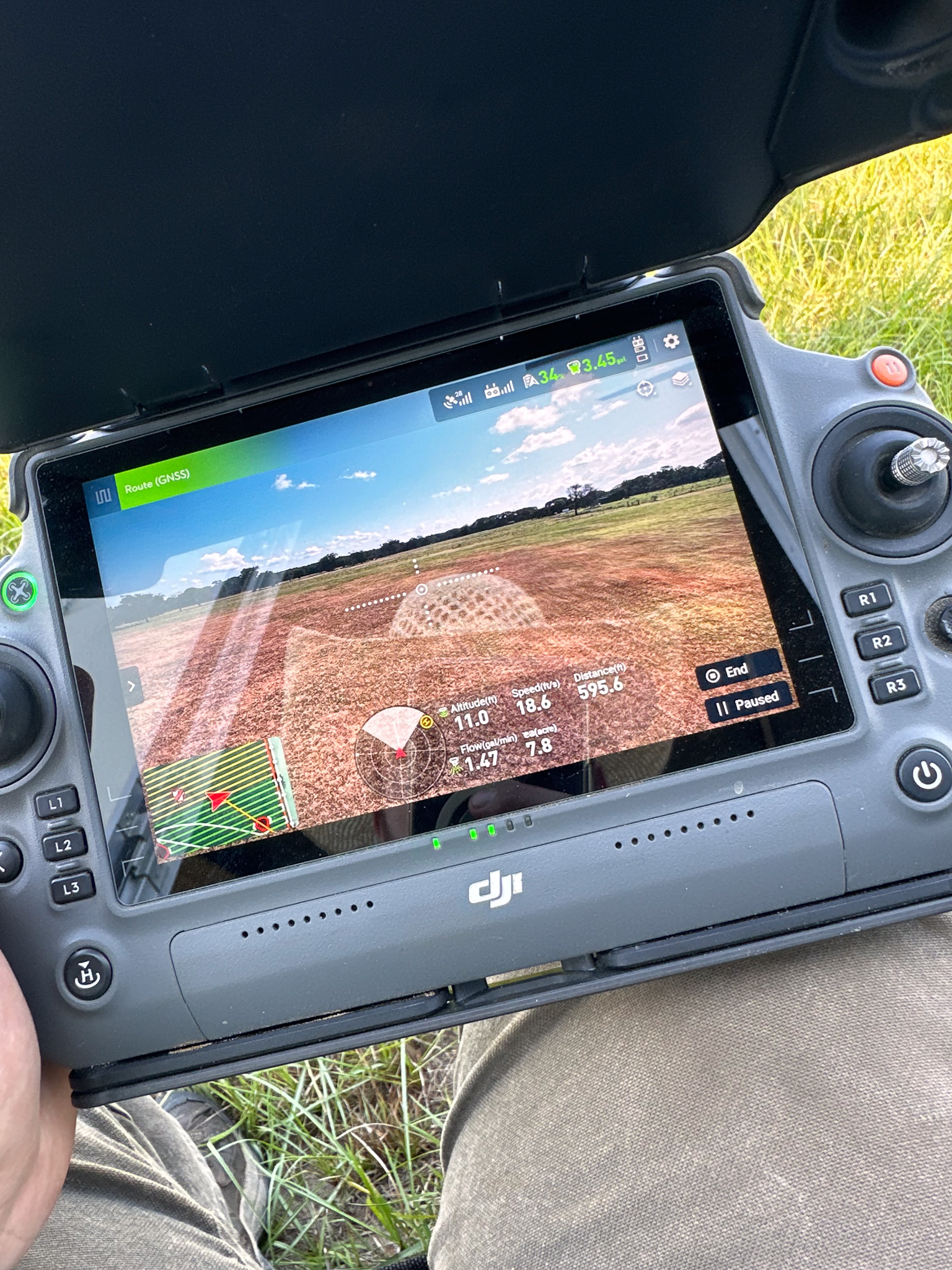
Farm operations often deal with more than one vendor for equipment, seed, chemical supply, and application, and keeping all of that straight is its own job. Working with a single aerial spraying partner across the full property means one relationship to manage instead of separate conversations for every field or treatment type. We keep track of what’s been applied where and when, which is useful both for your own records and if you need documentation for lease agreements, crop insurance, or input cost tracking across the season.
For farms with a manager or foreman handling day-to-day decisions separately from the owner, we’re glad to work directly with whoever’s making the call on the ground, and keep the owner looped in at whatever level makes sense for the operation.
Scale Without Losing Attention to Detail
We currently run three fully equipped spray crews with both T20P and T40 aircraft, which lets us handle larger farms with multiple fields in parallel rather than moving a single crew from section to section over several days. That matters when a treatment window, say, a herbicide application that needs to happen before a weed hits a certain growth stage, applies across more acreage than one aircraft can cover in a day.
Scale doesn’t mean generic treatment, though. Each field on a property still gets assessed on its own terms, a hayfield’s weed problem and a row crop’s pest pressure call for different products, rates, and timing even if they’re twenty minutes apart on the same farm.
What This Looks Like in Practice
A typical farm relationship starts with a walk-through of the full property, not just the field that prompted the first call. We identify what’s likely to need treatment across the season: weed pressure in hayfields before cutting, pest and disease monitoring on row crops through the growing season, fertilization timing on pastureland, and ongoing brush control along fence lines and drainage areas that traditional mowing or spraying equipment struggles to keep up with.
From there, we build a rough seasonal plan, understanding that farming rarely goes exactly to schedule. Weather shifts treatment windows, pest pressure can show up earlier or later than expected, and plans adjust accordingly. What stays consistent is that you’ve got a spraying partner already familiar with your property, rather than starting from scratch with a new vendor every time something needs attention.
Built for East Texas Farm Operations
We’re based in Palestine and serve properties within roughly a two-hour radius, which covers most working farms across East Texas, from Tyler and Longview out to Marshall and the surrounding rural counties. Operating in this region full-time means we’re familiar with the rainfall patterns, growing seasons, and typical weed and pest pressures that show up on East Texas farms specifically, rather than applying assumptions built for a different climate.
If you’re looking for detail on the equipment and flight systems we use, see Agricultural Aerial Services. For a look at how an individual spray visit runs from assessment to follow-up, see Agricultural Drone Spraying.
Our Farm Spraying Process
Every farm spraying project begins with a consultation to understand the needs of the property and the crops being treated. We evaluate acreage, vegetation concerns, crop stage, and treatment goals before developing a customized spraying plan.
On the day of service, our spray drones apply treatments evenly across the field while maintaining consistent spray patterns and accurate coverage. Because drones operate efficiently and do not require ground access, most spraying projects can be completed quickly with minimal disruption to farm operations.
Following the treatment, we remain available to answer questions and assist with additional spraying needs throughout the growing season.
Let's Plan Your Season
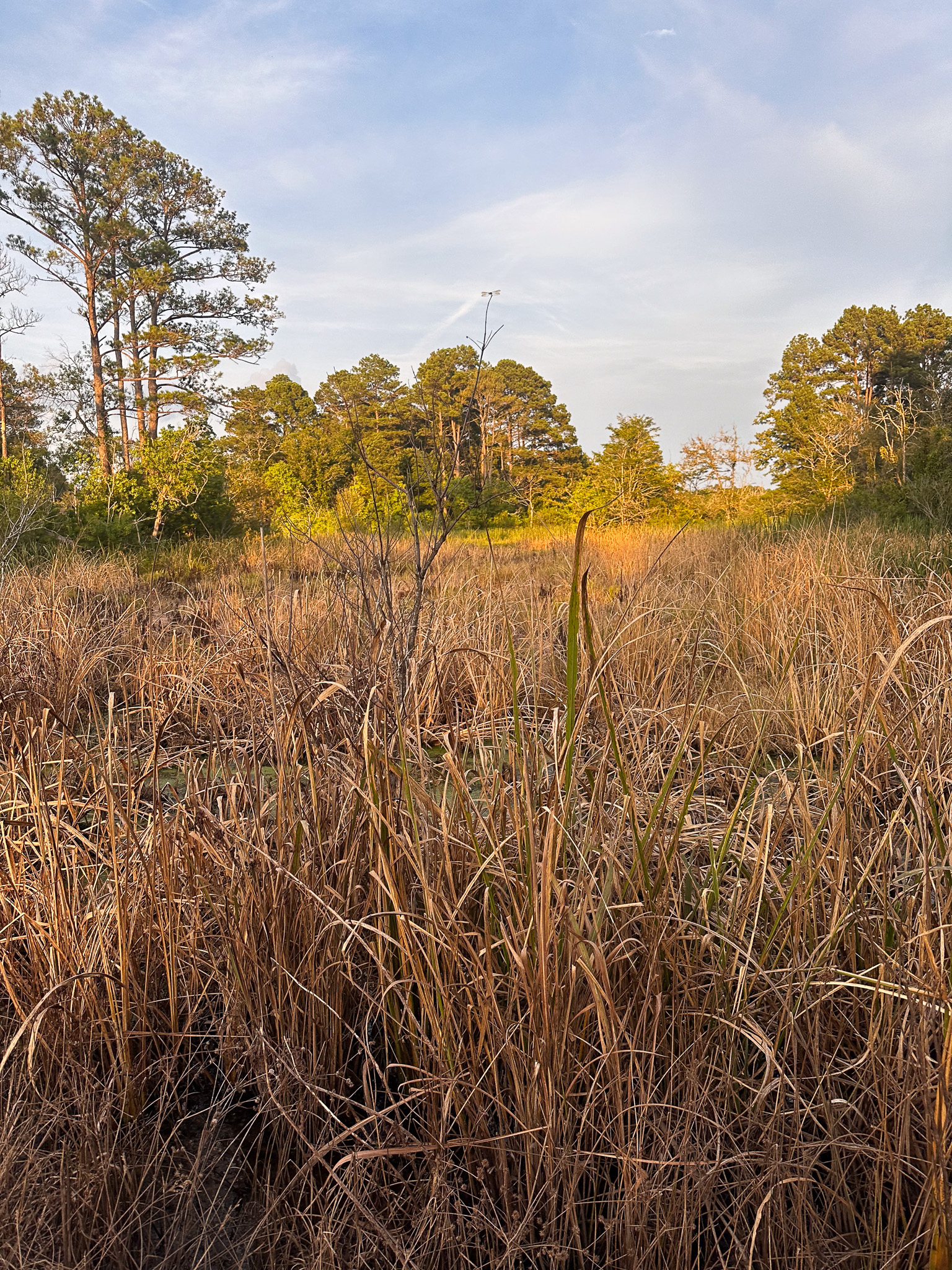
If you’re managing a farm with more than one field or treatment need on the calendar, let’s talk through what the season looks like before the first window opens.
Contact Doss Drone Services to start that conversation, browse the Gallery for examples of past farm work, or check our Service Area to confirm your property falls within our coverage zone.